
It’s normal for dogs to sneeze once in a while—but if your dog is sneezing excessively, it may be a sign of irritation, infection, or a foreign object stuck in the nose. Frequent or violent sneezing should always prompt closer attention.
In this guide, we outline the common reasons why a dog may excessively sneeze, what you can do at home, and when to seek veterinary care.
Table of Contents
Dog Sneezing Excessively: Why It Happens
Excessive sneezing in dogs can be triggered by allergies, infections, nasal mites, dental issues, or foreign objects in the nose. Occasional sneezes are no cause for concern, but repetitive or intense sneezing—especially with nasal discharge or nosebleeds—may point to something more serious.
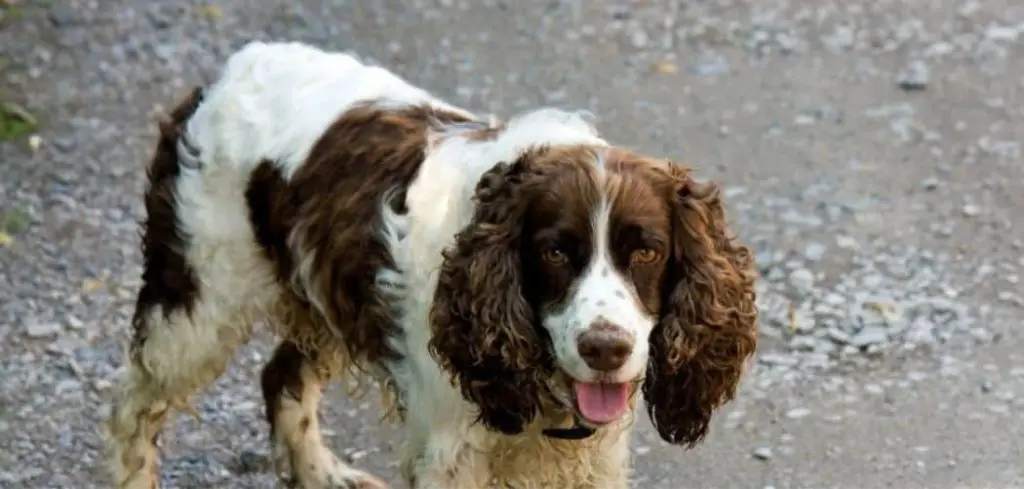
Dog sneezing attack: What is it?
A sneezing attack—multiple sneezes in quick succession—is usually caused by acute irritation in the nasal passages. Common triggers include dust, pollen, smoke, perfumes, or a foreign object.
Sneezing attacks are typically harmless if they stop quickly, but repeated or prolonged attacks may indicate infection, allergies, or nasal blockage, and should be assessed by a veterinarian if they occur frequently.
Dog Sneezing Excessively: Common Causes
Allergies
Dogs can develop allergies to pollen, dust, mold, or household cleaners. These airborne irritants often lead to sneezing, watery eyes, and itchy skin.
Sneezing tends to worsen during specific seasons or in dusty environments.
Allergy treatments may include antihistamines, air purifiers, or hypoallergenic diets.
Nasal Irritants or Foreign Objects
Grass seeds, dust, or small bits of debris can get lodged in your dog’s nose during walks or outdoor play.
Your dog may sneeze violently, paw at their nose, or have a sudden onset of sneezing.
If not expelled quickly, a foreign object may require removal by a vet.
Related: Dog sneezing and bleeding from nose (Why it happens)
Canine Infectious Respiratory Disease (Kennel Cough)
This contagious condition can cause frequent sneezing, coughing, nasal discharge, and lethargy.
Dogs that have been boarded, groomed, or at dog parks recently are more at risk.
Mild cases resolve with rest, but severe or persistent symptoms need veterinary care.
Read more: Dog Eating Grass Excessively (What it means)
Nasal Mites
These tiny parasites live in the nasal passages and cause intense itching and sneezing fits.
Dogs may also experience nosebleeds, nasal discharge, or facial rubbing.
Nasal mites are diagnosed with a nasal swab and treated with antiparasitic medication.
Dental Disease
Infections in the upper teeth can penetrate into the nasal cavity, causing inflammation and sneezing.
You may notice bad breath, gum swelling, or tooth loss.Dental X-rays and cleanings are often needed to address the issue.
Nasal Tumors
Although rare, older dogs may develop tumors in the nasal passages, leading to chronic sneezing, bloody discharge, or facial swelling.
This type of sneezing often worsens over time and doesn’t respond to allergy or infection treatments.
Imaging and biopsy are required for diagnosis and treatment planning.
Related: Dog sneezing and snorting (What it means)
Why is my dog sneezing so much out of nowhere?
Sudden, excessive sneezing can result from acute irritation or inflammation in the nose. Causes may include inhalation of dust, pollen, strong scents, or sudden exposure to environmental allergens. Sometimes viral or bacterial infections or nasal foreign objects are involved.
While occasional sudden sneezing is normal, if it continues for several hours, becomes more frequent, or is accompanied by nasal discharge, lethargy, or coughing, veterinary evaluation is important.
Read more: Dog sneezing a lot suddenly (Causes and what to do)
Dog sneezing a lot in a row
When a dog sneezes repeatedly in a row, it’s usually the body’s way of expelling irritants from the nasal passages. This can occur from allergies, environmental irritants, nasal mites, or foreign objects.
While brief bouts are generally harmless, continuous sneezing in succession over multiple hours or days may signal infection, inflammation, or obstruction that requires veterinary attention to prevent complications.
Dog sneezing a lot and shaking head: What it means
When a dog sneezes frequently and shakes its head, it usually indicates nasal or ear irritation. Common triggers include allergies, dust, pollen, foreign objects lodged in the nose or ear, or early signs of infection.
Head shaking helps dislodge irritants, while sneezing expels particles from the nasal passages.
Persistent or worsening sneezing combined with head shaking should be evaluated by a veterinarian, as untreated infections or foreign objects can cause discomfort or lead to more serious complications.
Dog sneezing and coughing
Sneezing accompanied by coughing often signals upper respiratory irritation or infection, such as kennel cough, canine influenza, or other viral or bacterial conditions.
Allergies or environmental irritants can also trigger both symptoms. While occasional sneezing and coughing may be minor, frequent or worsening episodes—especially when paired with lethargy, nasal discharge, or fever—require veterinary assessment, as untreated infections can progress to pneumonia or other complications.
My dog keeps sneezing and has a runny nose: Here’s why
Sneezing with a runny nose usually indicates nasal irritation or infection. Causes can include allergies, foreign objects, viral or bacterial infections, or sinus inflammation.
Clear discharge often points to allergies, while colored or thick discharge may suggest infection.
If the sneezing and nasal discharge persist for more than a few days, worsen, or are accompanied by coughing, lethargy, or loss of appetite, a veterinarian should examine the dog to determine the cause and provide treatment.
Dog sneezing when sleeping
If your dog sneezes while sleeping, it is usually caused by mild nasal irritation or post-nasal drip. During sleep, mucus can accumulate in the nasal passages, and sudden movements or changes in airflow may trigger a sneeze reflex.
Environmental factors like dust, pollen, or strong scents in the bedroom can also contribute.
While occasional sneezing during sleep is generally harmless, frequent or loud sneezing, especially if accompanied by nasal discharge, coughing, difficulty breathing, or restlessness, may indicate allergies, a respiratory infection, or nasal obstruction, and a veterinarian should evaluate the dog to ensure there are no underlying health issues.
Related: Dog excessively sneezing at night (When to worry)
Old dog sneezing excessively
Excessive sneezing in older dogs is often due to age-related changes in the nasal passages, chronic allergies, or underlying health conditions.
Senior dogs may develop nasal polyps, dental infections, or weakened immune systems that make them more prone to respiratory infections.
Persistent or worsening sneezing in an older dog should never be ignored, as it may indicate sinus infections, tumors, or other serious health issues that require veterinary evaluation.
What to Do If Your Dog Is Sneezing Excessively
Observe when the sneezing occurs—indoors, outdoors, during certain seasons or activities.
Check your dog’s nose for discharge, swelling, blood, or visible irritation. Avoid inserting anything into the nostrils.
Keep your dog away from smoke, perfumes, strong cleaning products, or dusty environments that may worsen symptoms.
Wipe their face gently with a damp cloth after outdoor walks to remove allergens.
If sneezing is mild and temporary, monitor for a day or two—but take note of worsening signs.
When to Call or Visit Your Vet
Call your vet if your dog:
Sneezes violently or repeatedly for more than a day.
Has nasal discharge (especially if yellow, green, or bloody).
Develops nosebleeds or facial swelling.
Shows signs of discomfort, lethargy, or loss of appetite.
Was recently exposed to boarding, grooming, or other dogs.
Your vet may recommend nasal swabs, imaging, or allergy testing to determine the cause.
Read more: Dog sneezing bloody mucus (Causes explained)
Key Takeaway
While sneezing is a normal dog behavior, excessive sneezing should never be ignored—especially when paired with other symptoms.
Watch for patterns, avoid irritants, and don’t hesitate to involve your vet if sneezing continues. Treating the cause early ensures your dog can breathe easy again.


